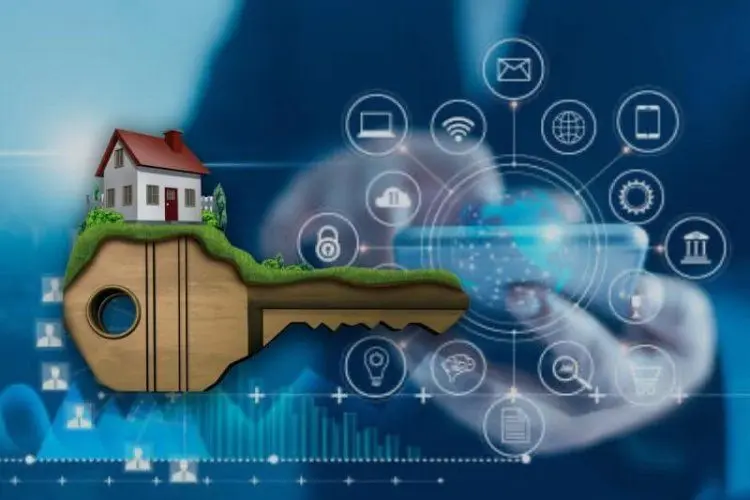
In today’s hyper-competitive property market, Digital marketing for realestate agents is no longer optional—it is the core engine behind visibility, lead generation, and long-term brand authority. As we move into a more AI-driven and algorithmic search environment in 2026, real estate professionals must evolve beyond traditional listings and embrace a full digital ecosystem that connects buyers, investors, and developers in real time.
The real estate industry in markets like Dubai, UAE, and global investment hubs is now heavily influenced by search engines, social platforms, AI discovery systems, and hyper-personalized user intent. Agents who fail to adapt risk becoming invisible in a landscape dominated by data-driven marketing.
This guide explores how Digital marketing for realestate agents 2026 is transforming the property business and how agents can dominate search rankings, generate qualified leads, and build strong digital authority.ravuThe Evolution of Real Estate Marketing in the Digital Era
Traditional real estate marketing relied on billboards, flyers, cold calling, and offline networking. While these methods still exist, they no longer dominate buyer behavior.
Today’s buyers begin their journey online:
- Searching Google for properties and agents
- Exploring social media listings and virtual tours
- Using AI tools for investment recommendations
- Comparing multiple agencies before making contact
This shift has made digital marketing for realtors a necessity rather than a strategy.
Modern real estate marketing is built on three pillars:
- Visibility in search engines
- Authority across digital platforms
- Conversion-focused user experience
Core Digital Marketing Ecosystem for Real Estate Agents
To understand Digital marketing for realestate agents, we must break down the ecosystem that drives performance.
1. Real Estate SEO (Search Engine Optimization)
SEO is the foundation of long-term visibility. Without it, agents rely only on paid ads.
Key elements include:
- Keyword optimization for property searches
- Location-based landing pages
- Technical website structure
- Schema markup for properties
- High-quality blog content
SEO ensures that when users search for properties, your agency appears organically.
This directly connects with real estate marketing strategies focused on long-term growth and authority.
2. Real Estate Content Marketing Strategy
Content is the bridge between search intent and conversion.
Effective content includes:
- Neighborhood guides (Dubai Marina, Downtown Dubai, etc.)
- Investment insights and ROI breakdowns
- Off-plan project analysis
- Market trend reports
- Buyer and seller guides
Content is not just informational—it builds trust and positions agents as market experts.
This is a critical pillar of digital marketing for realtors in 2026.
3. Social Media Marketing for Real Estate Agents
Social platforms have become digital property showrooms.
Key channels include:
- Instagram (property reels, walkthroughs)
- TikTok (short-form property storytelling)
- Facebook (community targeting and ads)
- LinkedIn (investor-focused marketing)
- YouTube (long-form property tours)
social media marketing for real estate agents is now one of the strongest lead generation channels, especially when combined with AI-driven targeting and retargeting systems.
4. Real Estate Lead Generation Online
Modern real estate success depends on how effectively agents convert traffic into qualified leads.
real estate lead generation online involves:
- Landing page optimization
- WhatsApp click-to-chat funnels
- CRM integration
- AI chat assistants
- Retargeting campaigns
Instead of chasing clients, digital systems attract and filter them automatically.
Property Marketing Agency UAE Perspective
In competitive markets like Dubai and Abu Dhabi, agencies act as digital growth partners.
A property marketing agency UAE typically focuses on:
- High-performance SEO campaigns
- Paid advertising (Google Ads & Meta Ads)
- Property funnel development
- Branding for real estate developers
- AI-based audience targeting
The UAE market is highly investor-driven, meaning digital strategies must target both local and international buyers simultaneously.
Real Estate Marketing Strategies That Actually Work in 2026
Modern real estate marketing strategies are no longer about visibility alone—they are about precision targeting and conversion optimization.
Strategy 1: Hyperlocal SEO Targeting
Ranking for specific locations like “apartments in Dubai Marina” or “villas in Palm Jumeirah” ensures high-intent traffic.
Strategy 2: AI-Driven Search Optimization
Search engines now prioritize AI-generated summaries and intent-based results.
Strategy 3: Video-First Marketing
Listings with video perform significantly better than static images.
Strategy 4: Funnel-Based Lead Capture
Every click must lead into a structured funnel:
Awareness → Interest → Conversion → Follow-up
Strategy 5: Retargeting Campaigns
Most users do not convert on first visit. Retargeting keeps your brand visible.
Digital Marketing for Realtors: The New Competitive Advantage
The term digital marketing for realtors represents a shift from listing properties to building digital ecosystems.
Successful realtors now:
- Build personal brands online
- Use automation tools for follow-ups
- Integrate AI chat systems
- Maintain SEO-optimized websites
- Run continuous content campaigns
In 2026, realtors are not just sellers—they are digital publishers and data-driven marketers.
Real Estate Lead Generation Online Systems (Advanced)
Lead generation has evolved into a structured digital architecture.
High-performing systems include:
- SEO traffic → Landing page → WhatsApp inquiry
- Social media ads → Lead form → CRM pipeline
- Google Ads → Property detail page → callback request
- Blog content → Email capture → nurturing sequence
This ecosystem ensures continuous lead flow instead of one-time inquiries.
AI and the Future of Digital Marketing for Real Estate Agents
The next phase of Digital marketing for realestate agents 2026 is deeply connected with artificial intelligence and generative search systems.
Key AI-driven trends include:
1. AI Search Engines
Platforms like Google SGE and AI assistants now provide direct answers instead of links.
2. Predictive Buyer Behavior
AI can analyze user behavior and predict property interest before users even search.
3. Automated Content Creation
AI helps generate property descriptions, blogs, and ads at scale.
4. Voice Search Optimization
More users are searching using voice assistants like Siri and Google Assistant.
5. Personalized Property Recommendations
AI matches buyers with properties based on lifestyle, income, and behavior.
Building Authority in a Competitive Real Estate Market
To succeed in Digital marketing for realestate agents, authority is everything.
Authority is built through:
- Consistent SEO content publishing
- High-quality backlinks from real estate portals
- Strong Google Business Profile optimization
- Client testimonials and reviews
- Media mentions and digital PR
Search engines reward trust, not just keywords.
Why Most Real Estate Agents Fail in Digital Marketing
Common mistakes include:
- Ignoring SEO fundamentals
- Relying only on paid ads
- Lack of content strategy
- No funnel structure
- Weak website performance
Without a structured approach, digital marketing becomes expensive and ineffective.
The Winning Formula for 2026
The future of Digital marketing for realestate agents is built on integration:
SEO + Content + Social Media + AI + Automation + Conversion Systems
When all components work together, agents create a self-sustaining digital engine that generates consistent property leads.
Conclusion
The real estate industry is entering a fully digital and AI-driven transformation era. Agents who embrace Digital marketing for realestate agents 2026 will dominate visibility, lead generation, and brand authority.
Whether through real estate marketing strategies, digital marketing for realtors, or advanced real estate lead generation online systems, success now depends on how well agents adapt to technology, content ecosystems, and AI-powered search.
In the coming years, the gap between digitally advanced agents and traditional marketers will only widen. The time to build a strong digital foundation is now.



Leave a Comment
Share your thoughts on this article