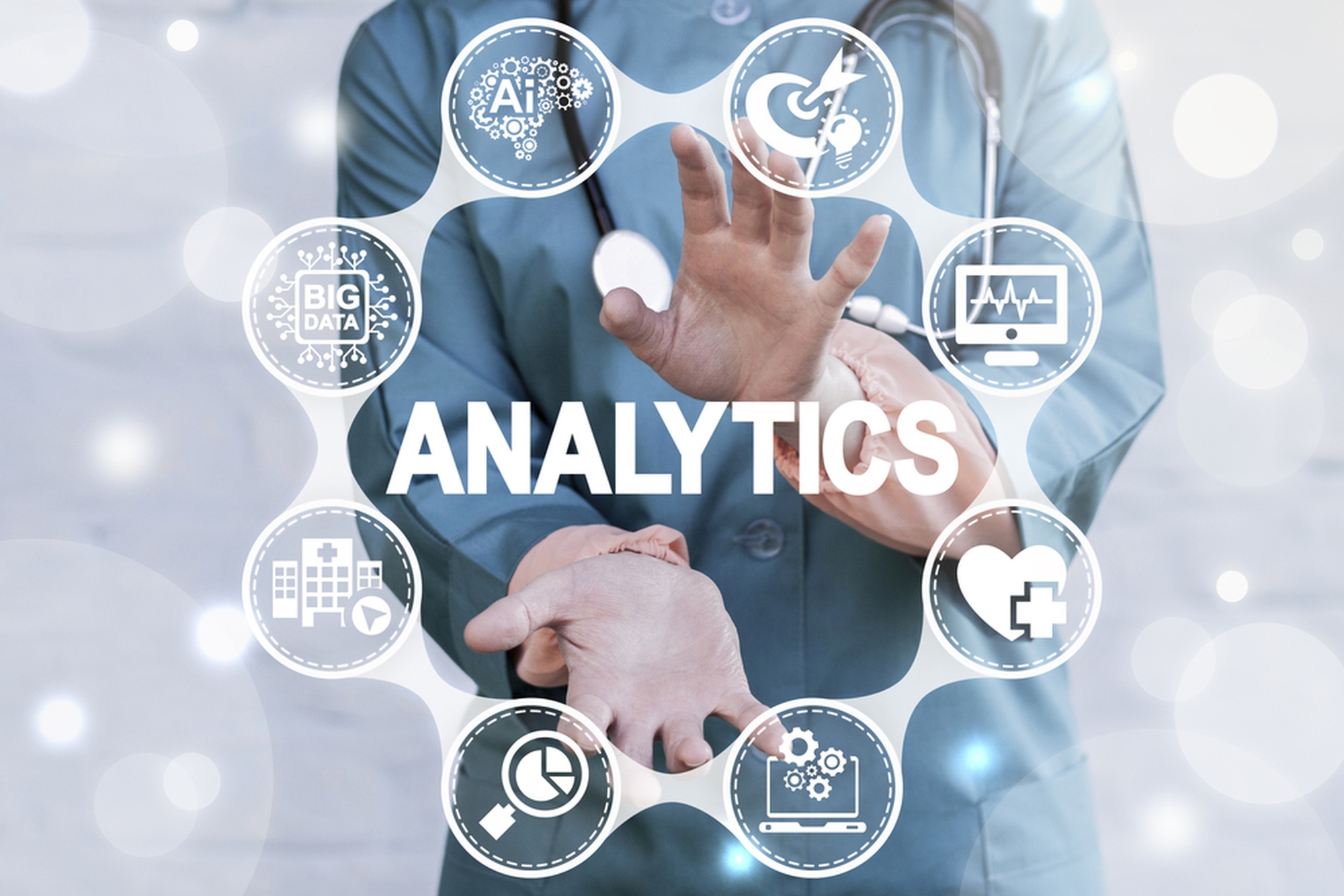
The healthcare industry is continuously evolving, and with it, the need for more effective data management and decision-making tools. As healthcare providers face increasing pressure to improve patient outcomes, optimize resources, and manage costs, the importance of healthcare analytics software cannot be overstated. This powerful tool enables organizations to harness vast amounts of healthcare data and convert it into meaningful insights that drive smarter decisions and more efficient processes.
In this blog, we’ll explore the significance of healthcare analytics software, its benefits, and how it is transforming the way healthcare organizations operate and deliver services.
What is Healthcare Analytics Software?
Healthcare analytics software is a tool designed to process and analyze healthcare data from various sources, including electronic health records (EHR), patient monitoring systems, insurance claims, and administrative databases. By using advanced algorithms, artificial intelligence (AI), and machine learning (ML) technologies, this software helps healthcare professionals identify trends, make data-driven decisions, and improve patient care.
These software solutions help manage both structured and unstructured data, enabling providers to gain a comprehensive view of their operations and patient outcomes. From predictive analytics for patient care to operational efficiency optimization, healthcare analytics software plays a crucial role in modern healthcare management.
Key Features of Healthcare Analytics Software
Here are some of the core features that make healthcare analytics software an essential tool for healthcare organizations:
- Data Integration:
Healthcare analytics software can integrate data from multiple sources, such as EHRs, laboratory results, and financial records. This integration allows for a holistic view of a patient's health and the healthcare provider’s operations, improving clinical decision-making. - Predictive Analytics:
Predictive analytics helps healthcare providers forecast future trends, such as patient admissions, potential health crises, or the likelihood of a patient’s readmission. This enables proactive decision-making, better resource allocation, and improved patient care outcomes. - Real-time Data Analysis:
With the ability to process data in real-time, healthcare analytics software allows providers to monitor patient vitals, track clinical performance, and assess care delivery at the moment. This is particularly beneficial in emergency situations or fast-paced healthcare settings. - Data Visualization:
Data visualization tools in healthcare analytics software transform complex data sets into intuitive graphs, charts, and dashboards. This enables healthcare providers to quickly interpret information and make informed decisions based on the data. - Compliance and Reporting:
Compliance with healthcare regulations such as HIPAA and GDPR is essential. Healthcare analytics software helps ensure data privacy and security while generating reports that adhere to regulatory standards. It simplifies the reporting process, reducing the administrative burden on healthcare organizations.
Benefits of Healthcare Analytics Software
The integration of healthcare analytics software offers numerous advantages for healthcare providers, patients, and stakeholders alike. Some of the primary benefits include:
1. Improved Patient Outcomes
By analyzing patient data, healthcare analytics software can help identify at-risk patients and recommend preventive measures. Predictive models can anticipate complications and provide actionable insights, allowing providers to intervene early and improve patient care.
2. Operational Efficiency
Healthcare organizations are under constant pressure to reduce costs while maintaining high-quality care. Analytics software helps identify inefficiencies in administrative processes, supply chain management, and resource utilization, enabling hospitals and clinics to streamline operations and reduce waste.
3. Enhanced Decision-Making
Data-driven decision-making is crucial in healthcare. By providing access to accurate and up-to-date data, healthcare analytics software enables medical professionals to make informed decisions that are based on real-time insights rather than intuition or incomplete information.
4. Cost Reduction
By optimizing operations, identifying waste, and reducing unnecessary tests or treatments, healthcare analytics software helps organizations control costs. This is particularly beneficial in light of rising healthcare expenses and the increasing demand for quality care.
5. Better Financial Management
Financial performance is one of the critical concerns for healthcare organizations. Analytics software can help track revenue, manage billing and claims, and provide insights into the financial health of the organization. This supports better budgeting, forecasting, and financial planning.
How Healthcare Analytics Software Improves Clinical Decision-Making
One of the most significant advantages of healthcare analytics software is its ability to improve clinical decision-making. By providing actionable insights based on real-time patient data, healthcare providers can make better-informed decisions that lead to improved patient care.
- Clinical Decision Support Systems (CDSS): Healthcare analytics software often includes CDSS tools, which analyze data from multiple sources to assist healthcare professionals in diagnosing and prescribing treatments. These systems help reduce errors and provide evidence-based recommendations for care.
- Personalized Treatment Plans: By examining historical patient data, including genetics, lifestyle, and previous treatments, healthcare analytics software helps create tailored treatment plans for individual patients, improving their chances of successful outcomes.
The Role of Artificial Intelligence and Machine Learning in Healthcare Analytics
Artificial intelligence (AI) and machine learning (ML) are at the forefront of revolutionizing healthcare analytics software. These technologies enhance the capabilities of traditional data analysis by allowing software to learn from vast amounts of healthcare data and make more accurate predictions.
- AI-powered Predictions: AI algorithms can analyze patient data to predict the likelihood of developing specific conditions, such as heart disease, diabetes, or cancer. By identifying high-risk patients early, healthcare providers can offer preventive care and improve patient outcomes.
- Automation: Machine learning algorithms can automate routine tasks, such as scheduling appointments, managing inventory, or processing claims. This frees up healthcare professionals to focus on patient care, improving operational efficiency.
Challenges in Implementing Healthcare Analytics Software
While healthcare analytics software offers numerous benefits, there are also challenges to its successful implementation:
- Data Privacy and Security Concerns: The healthcare industry handles sensitive patient data, making data security a top priority. Ensuring compliance with data protection regulations such as HIPAA and GDPR is crucial when implementing healthcare analytics software.
- Data Quality: The effectiveness of healthcare analytics software is only as good as the data it processes. Inaccurate, incomplete, or poorly organized data can lead to faulty insights and incorrect decision-making. Healthcare organizations must ensure that their data is clean, accurate, and standardized.
- Resistance to Change: Healthcare professionals may be hesitant to adopt new technologies, particularly if they are already comfortable with their existing systems. Overcoming this resistance through training and demonstrating the software's value is essential for successful implementation.
- Cost of Implementation: While the long-term benefits of healthcare analytics software outweigh the initial investment, the upfront costs of implementation can be significant. Healthcare organizations need to weigh the costs against the expected return on investment (ROI) when considering the adoption of such software.
The Future of Healthcare Analytics Software
The future of healthcare analytics software is bright, with continued advancements in AI, big data, and machine learning driving innovation. As more healthcare organizations adopt these technologies, the industry will experience a shift toward more personalized, efficient, and data-driven care.
- Predictive Healthcare: Future healthcare analytics software will focus more on predictive analytics, enabling healthcare providers to anticipate and prevent illnesses before they occur.
- Integration with Wearables and IoT: The integration of healthcare analytics software with wearable devices and Internet of Things (IoT) technology will provide healthcare professionals with real-time data, enabling continuous monitoring and intervention when necessary.
- Patient Empowerment: With patient-centered healthcare becoming more prevalent, analytics software will give patients greater access to their own health data, empowering them to make informed decisions about their care.
Conclusion
Healthcare analytics software is an invaluable tool for modern healthcare organizations. By unlocking the potential of healthcare data, this software helps improve patient outcomes, enhance operational efficiency, and reduce costs. As healthcare providers continue to embrace data-driven decision-making, the future of healthcare analytics software promises even greater advancements in patient care, personalized treatment, and overall healthcare system performance. Delemon Technology offers innovative solutions to support healthcare organizations in implementing and optimizing healthcare analytics software, driving efficiency and better outcomes across the industry.




Leave a Comment
Share your thoughts on this article