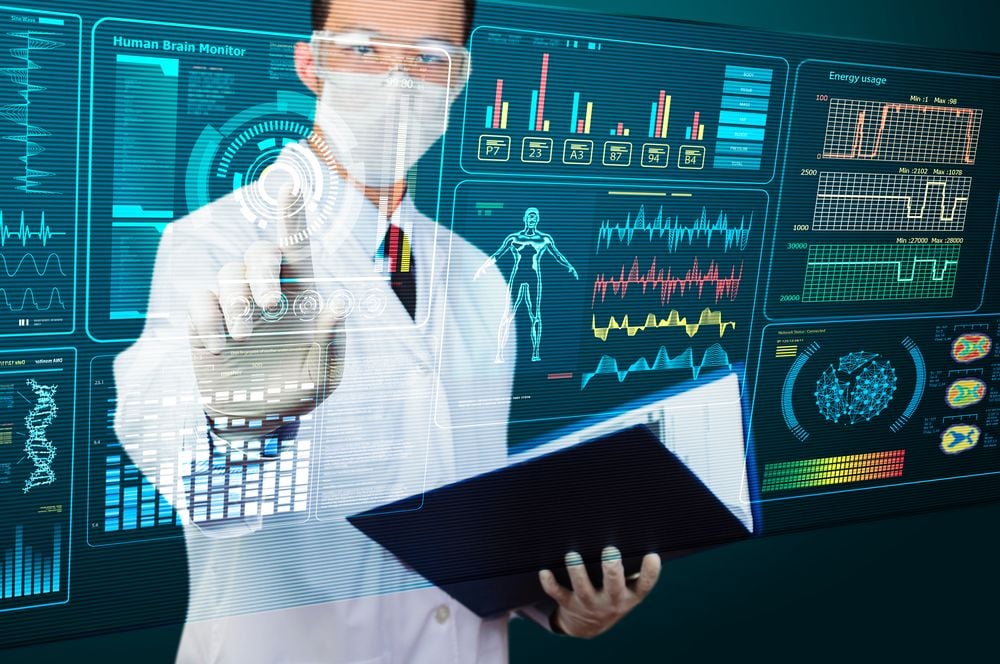
In today’s fast-evolving healthcare environment, Healthcare IT services and solutions play a pivotal role in transforming how healthcare providers manage patient care, streamline operations, and ensure regulatory compliance. The integration of IT in healthcare enables medical professionals to provide better patient outcomes, improve operational efficiency, and deliver data-driven insights that drive innovation.
In this blog, we will explore how Healthcare IT services and solutions are revolutionizing the healthcare industry and why they are essential for modern healthcare providers.
What Are Healthcare IT Services and Solutions?
Healthcare IT services and solutions refer to a broad range of technological tools and services designed to address the unique needs of the healthcare sector. These services include the implementation of software, hardware, network systems, and data management strategies that help healthcare providers deliver quality care, ensure data security, and improve patient satisfaction.
Key Healthcare IT Services Include:
- Electronic Health Record (EHR) Systems: These systems allow healthcare providers to store, manage, and share patient data digitally, eliminating paper records and improving access to patient history.
- Telemedicine Solutions: These technologies enable healthcare providers to offer remote consultations, reducing the need for physical visits and improving accessibility for patients.
- Clinical Decision Support Systems (CDSS): These systems assist healthcare providers in making informed decisions by analyzing data and providing recommendations based on patient conditions.
- Health Information Exchange (HIE): A system that facilitates the secure exchange of patient health information between healthcare organizations.
- Cybersecurity Solutions: To safeguard patient data from cyber threats, these solutions ensure compliance with data privacy regulations and protect sensitive health information.
Importance of Healthcare IT Solutions in Today's Healthcare Landscape
1. Enhancing Patient Care
The core objective of Healthcare IT solutions is to enhance patient care. With technologies like EHRs and CDSS, healthcare providers can access comprehensive patient information, leading to more accurate diagnoses, treatment plans, and monitoring of patient progress. Telemedicine solutions have also made healthcare more accessible by allowing patients to consult healthcare professionals from the comfort of their homes, especially during times of crisis like the COVID-19 pandemic.
2. Improving Operational Efficiency
By automating administrative tasks, healthcare IT solutions allow medical professionals to focus more on patient care rather than paperwork. This includes scheduling, billing, and managing inventory systems. For example, hospital management software integrates patient records, appointments, billing, and administrative tasks in one system, streamlining workflows and reducing operational costs.
3. Data Security and Compliance
With the growing digitization of patient data, the need for robust cybersecurity solutions has become critical. Healthcare organizations must comply with stringent regulations like HIPAA (Health Insurance Portability and Accountability Act) to ensure patient privacy and data security. Healthcare IT services provide solutions that prevent data breaches and ensure that sensitive information is securely stored and shared.
4. Reducing Healthcare Costs
Although implementing Healthcare IT solutions can be costly initially, they offer long-term savings by improving operational efficiency, reducing errors, and minimizing waste. EHRs and automated systems can reduce paperwork and administrative costs, while predictive analytics can help prevent costly medical errors or hospital readmissions.
5. Supporting Research and Innovation
Healthcare IT services facilitate the analysis of vast amounts of patient data, helping researchers identify trends, patterns, and opportunities for improving patient care. Data mining and artificial intelligence (AI) technologies enable healthcare organizations to leverage these insights for innovation, allowing for personalized treatment plans and the development of new medical devices or therapies.
Top Healthcare IT Solutions Your Organization Needs
To stay ahead in the competitive healthcare landscape, healthcare providers need to embrace cutting-edge IT solutions that cater to their specific needs.
1. EHR (Electronic Health Records) Software
EHR systems are crucial in maintaining a complete and accurate record of a patient’s medical history. These systems allow healthcare providers to access patient information in real-time, improving the speed and accuracy of diagnoses. Additionally, EHRs enable easier communication between different healthcare providers, ensuring that all relevant parties have access to up-to-date information.
2. Mobile Health Apps
Mobile health (mHealth) apps allow patients to monitor their health metrics, schedule appointments, and communicate with healthcare providers. These apps empower patients to take an active role in managing their health while enhancing the patient-provider relationship. For healthcare providers, mHealth apps also serve as an extension of their services, enabling them to offer continuous care and track patient progress remotely.
3. Cloud-Based Healthcare Solutions
Cloud computing has emerged as a game-changer in the healthcare industry. Cloud-based solutions provide healthcare organizations with a secure, scalable, and cost-effective way to store and manage data. These systems enable healthcare providers to access patient information from anywhere and share data with other medical professionals in real-time, ensuring better coordination and collaboration in patient care.
4. AI and Machine Learning in Healthcare
Artificial intelligence (AI) and machine learning (ML) are being increasingly integrated into healthcare IT solutions to enhance patient care and operational efficiency. AI-powered tools can assist in diagnosing medical conditions, predicting patient outcomes, and automating administrative tasks. Additionally, AI can improve treatment planning and personalized care by analyzing patient data and identifying patterns that human providers may overlook.
5. Telemedicine Solutions
Telemedicine technology enables healthcare providers to conduct virtual consultations with patients, reducing the need for in-person visits. This solution has proven particularly valuable in rural or underserved areas where access to healthcare services may be limited. Telemedicine services also help reduce healthcare costs by minimizing overhead expenses related to physical office spaces and improving patient access to care.
6. Big Data and Predictive Analytics
The integration of big data and predictive analytics in healthcare IT services helps providers anticipate patient needs, optimize treatment plans, and allocate resources more effectively. By analyzing vast amounts of patient data, healthcare providers can predict trends and identify high-risk patients, enabling proactive interventions that can prevent complications and reduce healthcare costs.
Challenges in Implementing Healthcare IT Solutions
While Healthcare IT services and solutions offer numerous benefits, implementing these technologies can be challenging. Some common obstacles include:
- High Initial Costs: Healthcare IT systems often require a significant investment in infrastructure, training, and software licensing.
- Data Security Concerns: Protecting patient data is a top priority, and ensuring compliance with data privacy regulations can be complex.
- Integration Issues: Integrating new IT solutions with existing systems and workflows can be difficult, leading to potential disruptions in operations.
- Resistance to Change: Healthcare staff may be resistant to adopting new technologies, especially if they are accustomed to traditional methods.
Conclusion
Healthcare IT services and solutions are essential for transforming healthcare delivery and ensuring that organizations are prepared for the future. By embracing advanced technologies such as EHRs, telemedicine, AI, and cloud computing, healthcare providers can enhance patient care, improve operational efficiency, and drive innovation. Delemon Technology offers cutting-edge IT solutions tailored for the healthcare industry, helping providers implement these technologies seamlessly. Although the implementation of these solutions presents challenges, the long-term benefits far outweigh the initial investments.


Leave a Comment
Share your thoughts on this article