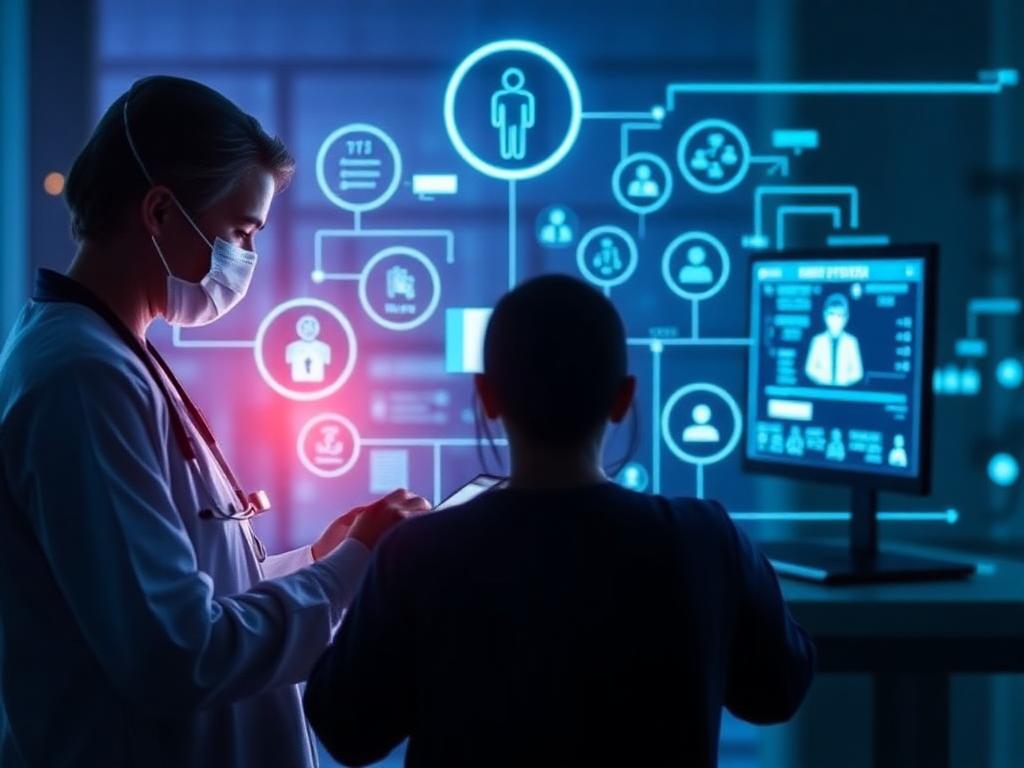
The healthcare industry is undergoing a profound transformation, embracing the digital age with the help of cutting-edge Healthcare IT Solutions. With rapid advancements in technology, healthcare providers can enhance their services, improve patient outcomes, and streamline operations. These solutions are no longer optional; they are essential for delivering efficient, high-quality care in a complex and fast-paced environment. In this blog, we will explore the role of Healthcare IT Solutions, their benefits, and the key technologies shaping the future of healthcare.
What Are Healthcare IT Solutions?
Healthcare IT solutions refer to a range of technologies designed to support and optimize healthcare services and management. These solutions include software, applications, and systems that help healthcare providers deliver better patient care, manage resources effectively, and comply with regulatory requirements. Key components of Healthcare IT Solutions include:
- Electronic Health Records (EHRs): A digital version of patients’ paper charts, allowing for easy access and sharing of patient information across healthcare providers.
- Telemedicine Solutions: Enabling remote consultations and monitoring, offering convenience to patients while reducing the strain on healthcare facilities.
- Healthcare Analytics: Tools that leverage data to identify trends, improve care quality, and enhance operational efficiency.
- Clinical Decision Support Systems (CDSS): Aimed at assisting healthcare providers with clinical decision-making by offering evidence-based insights.
- Healthcare Data Security: Protecting sensitive patient information through encryption, firewalls, and secure storage solutions.
The Growing Importance of Healthcare IT Solutions
As the healthcare industry continues to evolve, the need for healthcare IT solutions has never been greater. Here are some of the main factors driving this digital transformation:
1. Improved Patient Care
Healthcare IT solutions make it easier for healthcare providers to access and share patient data, leading to faster diagnosis and more personalized treatment plans. Technologies such as telemedicine enable healthcare providers to consult with patients remotely, improving access to care, especially for those in rural areas or with mobility challenges. Moreover, predictive analytics can identify potential health risks, allowing for early intervention.
2. Efficiency and Cost Reduction
Automation, cloud-based storage, and data analytics streamline administrative tasks, reducing operational costs and increasing efficiency. Healthcare IT solutions reduce the need for manual data entry and improve workflows, allowing medical professionals to spend more time with patients rather than managing paperwork. This leads to cost savings that can be reinvested into better care and technology.
3. Enhanced Data Security and Compliance
Healthcare providers must comply with stringent regulations such as the Health Insurance Portability and Accountability Act (HIPAA) in the U.S. and GDPR in Europe. Healthcare IT solutions include robust data security measures that protect patient information from cyber threats while ensuring compliance with these regulations.
4. Better Resource Management
Healthcare IT solutions help manage resources such as hospital beds, staff, and medical equipment. This allows healthcare facilities to operate more efficiently, avoid bottlenecks, and deliver timely care to more patients.
Key Technologies Shaping Healthcare IT Solutions
The healthcare sector is leveraging a wide array of technologies to enhance patient care and operational efficiency. Here are some of the key technologies that are shaping the future of healthcare IT:
1. Artificial Intelligence (AI) and Machine Learning (ML)
AI and ML algorithms are increasingly being used to predict patient outcomes, automate administrative tasks, and assist in clinical decision-making. These technologies analyze large volumes of data to identify patterns and trends that might be missed by human providers, allowing for more accurate diagnoses and personalized treatment plans.
2. Cloud Computing
Cloud-based healthcare IT solutions enable healthcare providers to store and access patient data remotely, facilitating collaboration among different healthcare professionals. Cloud computing also allows for scalable storage solutions, making it easier for healthcare organizations to expand their data capacity as needed. Additionally, it offers greater flexibility and cost-efficiency compared to traditional on-premise IT solutions.
3. Blockchain Technology
Blockchain is revolutionizing healthcare IT by providing secure and transparent ways to manage patient records, track drug supply chains, and handle billing processes. Blockchain’s decentralized structure ensures that data is immutable and resistant to tampering, increasing trust in the system.
4. Internet of Medical Things (IoMT)
The IoMT consists of connected devices that monitor and collect patient data in real time. Wearable devices, remote monitoring tools, and smart medical equipment are all part of the IoMT ecosystem. These devices help healthcare providers track patients' health metrics remotely, enabling early intervention and better management of chronic diseases.
5. Big Data and Healthcare Analytics
Big data analytics helps healthcare providers manage and analyze vast amounts of patient data. With the help of data visualization tools, healthcare professionals can identify trends, predict health risks, and make more informed decisions. These insights improve patient care while optimizing resource allocation.
Benefits of Healthcare IT Solutions
Implementing healthcare IT solutions offers numerous benefits for healthcare providers, patients, and the healthcare system as a whole:
1. Improved Patient Outcomes
With better access to medical records, predictive tools, and real-time monitoring, healthcare providers can deliver more effective and personalized care, leading to better patient outcomes. Healthcare IT solutions also reduce the chances of medical errors and improve the accuracy of diagnoses.
2. Increased Patient Engagement
Healthcare IT solutions such as patient portals and mobile apps encourage patient engagement by providing easy access to medical records, appointment scheduling, and prescription information. This empowers patients to take an active role in their healthcare journey, leading to improved adherence to treatment plans.
3. Enhanced Collaboration Among Healthcare Providers
Healthcare IT solutions promote collaboration by allowing healthcare providers to access and share patient information quickly and securely. This leads to more coordinated care, better communication between specialists, and a more holistic approach to patient treatment.
4. Reduced Administrative Burden
Healthcare IT solutions automate repetitive tasks such as billing, coding, and documentation, reducing the administrative burden on healthcare staff. This allows healthcare providers to focus more on patient care rather than administrative duties.
Challenges and Considerations in Healthcare IT Solutions
While healthcare IT solutions offer numerous advantages, there are also challenges that healthcare providers must consider when implementing these technologies:
1. Data Security and Privacy Concerns
Healthcare IT systems handle sensitive patient data, making them prime targets for cyberattacks. Ensuring that healthcare IT solutions are secure and compliant with data protection regulations is crucial. Healthcare organizations must invest in robust cybersecurity measures to protect patient data from breaches.
2. Integration Issues
Healthcare IT solutions often need to be integrated with existing systems, which can be a complex and time-consuming process. Providers must ensure that their IT infrastructure can accommodate new solutions without disrupting existing workflows or services.
3. Cost of Implementation
While healthcare IT solutions offer long-term savings, the initial cost of implementation can be significant. Healthcare organizations must carefully evaluate their budget and ensure that the benefits of these solutions outweigh the costs.
4. Staff Training and Adoption
To maximize the effectiveness of healthcare IT solutions, healthcare staff must be adequately trained. Providers must ensure that their teams are comfortable with the new technologies and understand how to use them effectively.
The Future of Healthcare IT Solutions
The future of healthcare IT solutions is promising, with continuous advancements in technology paving the way for more innovative solutions. In the coming years, we can expect to see the widespread adoption of AI, machine learning, blockchain, and IoMT, which will further enhance patient care and operational efficiency. Additionally, the increasing use of telemedicine and virtual care will reshape how healthcare services are delivered, making care more accessible and convenient for patients worldwide.
As the healthcare industry continues to embrace digital transformation, healthcare IT solutions will play a critical role in shaping the future of healthcare, improving the quality of care, and making healthcare more efficient, affordable, and patient-centric.
Conclusion
Healthcare IT solutions are revolutionizing the healthcare industry by improving patient care, enhancing operational efficiency, and streamlining administrative tasks. With the continuous development of new technologies, healthcare providers are better equipped to deliver high-quality care and meet the growing demands of the healthcare industry. While challenges such as data security, integration, and cost exist, the benefits of adopting healthcare IT solutions far outweigh the drawbacks. As healthcare continues to evolve, companies like Delemon Technology will play an essential role in shaping a more efficient, patient-centered healthcare system.


Leave a Comment
Share your thoughts on this article