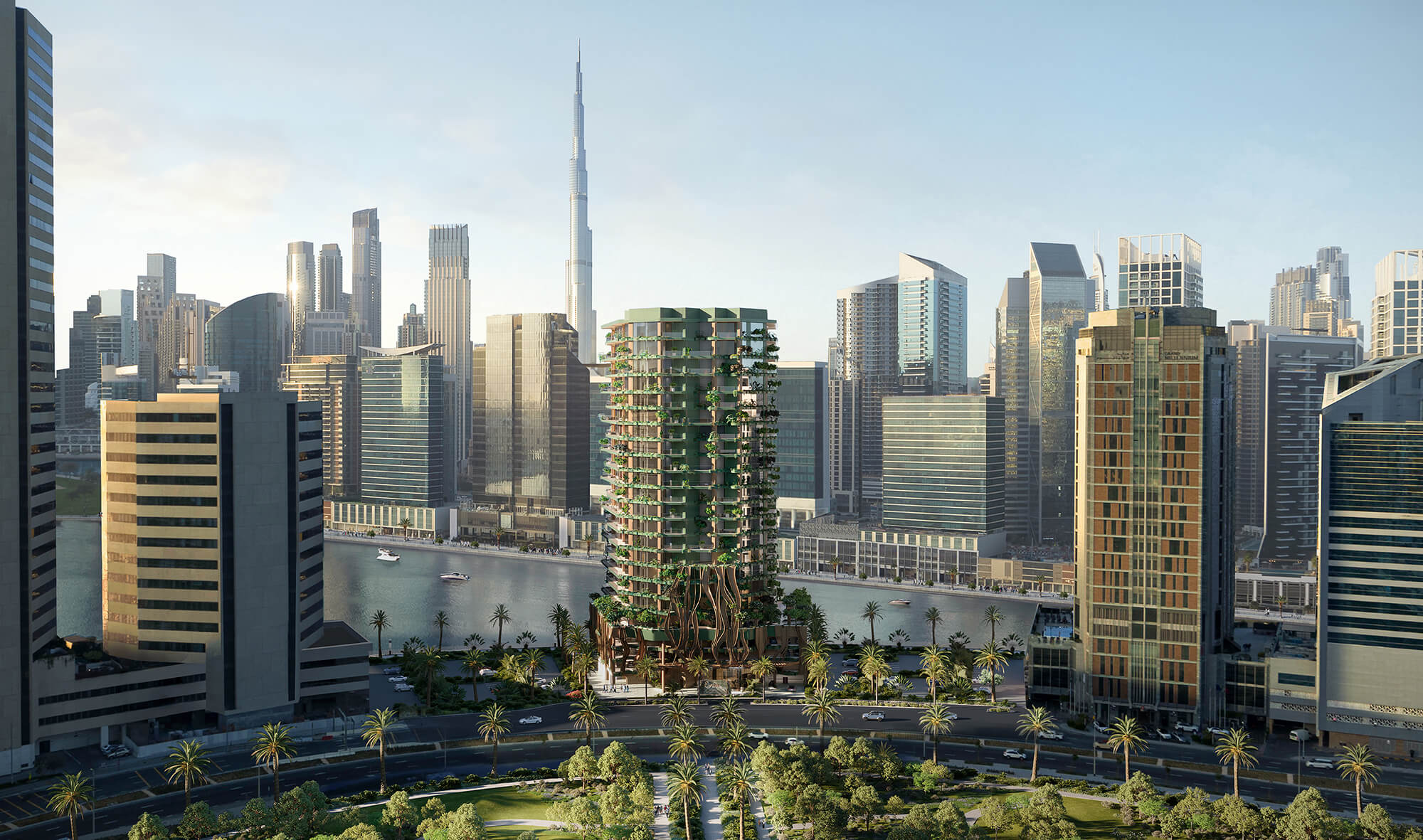
Dubai real estate moves fast and competition is intense. Buyers and investors often discover agencies and developers through a listing thumbnail, a reel cover, or a WhatsApp-forwarded brochure—usually on mobile—and they form an opinion within seconds. In that moment, branding is not a visual extra. It is the system that signals credibility, sets expectations, and influences whether someone clicks, enquires, or moves on.
Most businesses don’t lose attention because their properties are weak. They lose it because the brand experience feels inconsistent—different styles across platforms, unclear messaging, and sales materials that don’t match the quality of the offer. A strong brand fixes that by creating one clear identity and one professional voice across every touchpoint: website, social media, portals, brochures, and pitch decks.
This blog explains what effective real estate branding looks like in Dubai, why speed-to-trust matters so much in this market, and how branding systems can support real estate businesses for consistent, real-world execution.
Why Dubai Real Estate Brands Must Earn Trust Fast
In Dubai, your brand is often the first meeting. Long before a lead calls, they may see your reel cover, listing visuals, a brochure preview, or your homepage. Within seconds, they decide whether you feel organised and reliable or uncertain and inconsistent.
Trust in real estate is rarely created by bold claims. It comes from repeated signals across multiple touchpoints. When design feels consistent, language sounds professional, and materials look structured, prospects assume your service will be the same. When visuals look random, cluttered, or overly edited, trust drops immediately, even if the property offer is strong.
Dubai makes this even more important because audiences have endless options and high standards. Branding becomes the fastest path to credibility when it is done correctly and maintained consistently.
What Effective Real Estate Branding Looks Like
Effective branding is a performance level. It means the brand can hold its quality under real pressure: frequent campaigns, daily listing posts, multiple team members producing content, and fast project launches.
An effective real estate brand typically feels clear and focused. It communicates what it offers and who it serves without confusion. It looks consistent across every format—from portals to Instagram to pitch decks. It feels premium without being loud, confident without exaggeration, and recognisable enough that people remember it after one or two touchpoints. When these qualities are present, trust forms faster and enquiries happen sooner.
A Logo Is Not a Brand System
Many real estate businesses treat branding like a design task and stop at the logo. A logo is important, but it is only one element. Real estate marketing uses dozens of formats and requires constant output. Without a system, the brand begins to break the moment content production increases.
A complete brand system creates consistency across all the places buyers experience your business. It includes a clear direction for what the brand stands for, a visual identity that works on mobile and print, a consistent tone for captions and presentations, and templates that prevent teams from improvising. It also includes sales collateral that supports follow-ups and a website experience that feels modern, credible, and aligned with your overall presence. Without these, even a well-designed logo cannot protect trust or recognition.
Why Branding Improves Conversion in Real Estate
Real estate decisions are high-value and personal. Buyers do not only choose properties; they choose confidence in the process. Branding influences conversion because it reduces uncertainty. It tells people, visually and verbally, that the experience will be professional.
Strong branding improves conversion by strengthening first impressions on social and portals, increasing confidence when a brochure or deck is shared, supporting credibility when a prospect checks your website, and making agent communication feel more reliable. It also improves follow-ups because repeated exposure to the same consistent brand reinforces familiarity. In many cases, the brand that feels safer and more established is the one that wins the enquiry.
Common Branding Issues That Weaken Trust in Dubai
Many real estate brands struggle not because they lack marketing effort, but because their execution is inconsistent.
A common issue is inconsistency across agents. When agents create their own visuals and captions without templates, the brand quickly becomes fragmented and unrecognisable. Another issue is over-designed content. Too many fonts, too many icons, and too much text make creatives hard to read on mobile. Premium brands usually feel calm, clean, and structured, not crowded.
Generic messaging is another trust problem. If every caption uses the same “luxury” language without clear meaning, buyers assume the brand is interchangeable. A weak website experience can also break trust. Even when leads come from portals, buyers often verify credibility through your site. If it feels outdated or disconnected from your social presence, confidence drops. Finally, many businesses lose serious enquiries because they have no consistent decks and brochures. When collateral looks inconsistent, prospects hesitate even if the opportunity is strong.
A Practical Branding Approach That Works in Dubai Real Estate
Strong branding is not based on guesswork. It follows a structured approach that builds clarity first and consistency second.
The starting point is focus. A brand must be clear about what it specialises in—off-plan, secondary, luxury, commercial, leasing, or investment advisory. Clear focus makes marketing sharper and makes trust easier to earn.
The next step is building a visual system that stays consistent across formats. Listing visuals, social posts, reels covers, brochures, pitch decks, and website pages should all follow the same design language. When this consistency is maintained, familiarity grows, and familiarity builds trust.
Messaging also needs alignment. A brand voice should sound consistent across captions, listings, presentations, and brochures. This does not mean everything sounds identical. It means the tone stays professional, confident, and aligned with the brand promise.
Templates are then essential to protect quality. Dubai real estate requires daily output, and templates make professional execution repeatable. When templates exist, content production becomes faster without losing brand control.
Finally, a strong brand standardises the sales experience. Decks, brochures, and follow-up materials should look unified so your presentations feel credible and your sales conversations become smoother.
How Branding Agencies Support Real Estate in Dubai
Branding agencies support real estate businesses by building systems designed for consistent execution. In a market where content volume is high and campaigns move fast, the absence of a system leads to brand drift. These agencies focus on structured branding that keeps businesses consistent across digital channels and sales touchpoints, so trust is built faster and maintained longer.
This support typically helps real estate businesses strengthen how the brand appears across platforms, improve consistency across listings and social content, make marketing output more professional and repeatable, and support sales presentations with structured collateral. It also ensures the website and digital touchpoints match the overall brand experience so buyers see one clear identity everywhere they interact with the business.
FAQs:
-
What does a real estate branding agency in Dubai do?
A real estate branding agency builds a complete brand system—direction, identity, messaging, templates, and collateral—so your business stays consistent across platforms. -
Is branding only important for developers?
No. Brokerages, agent teams, and individual agents benefit from branding because it strengthens credibility, recognition, and trust online. -
What is the difference between branding and marketing?
Branding defines how you look and sound consistently. Marketing promotes your listings and services using that brand. Strong branding makes marketing more effective. -
Which assets matter most for Dubai real estate branding?
Consistent listing visuals, social templates, pitch decks, brochures, and a modern website experience are usually the highest-impact assets. -
Can branding improve lead quality?
Yes. Clear, premium branding attracts better-fit enquiries and builds trust earlier, improving the quality of leads and conversations.
Conclusion
Dubai buyers respond to brands that feel consistent, premium, and clear across every touchpoint. When branding is built as a system—identity, messaging, templates, collateral, and digital experience—trust is built faster and leads convert with less resistance.
If your real estate business wants to move from scattered marketing output to a unified, professional brand presence, system-based branding is the smartest foundation. Delemon Technology supports this by helping real estate companies build structured branding systems that stay consistent across websites, social media, listing visuals, pitch decks, and brochures—so your brand becomes easier to trust, easier to remember, and easier to choose.


Leave a Comment
Share your thoughts on this article